
What is an Environmental Site Assessment and Why is it Important?

Environmental concerns have become a major consideration in property development, land acquisition, and construction projects. Before purchasing or developing a property, it is essential to understand any environmental risks associated with the site. This is where an Environmental Site Assessment (ESA) plays a crucial role.
Understanding Environmental Site Assessment
An Environmental Site Assessment is a systematic process used to evaluate a property for potential environmental contamination or hazards. The assessment helps identify issues that could affect human health, property value, or future development plans.
Environmental Site Assessments are commonly conducted before purchasing commercial, industrial, or undeveloped land. They provide valuable information about past and present site activities that may have resulted in environmental concerns.
The process typically involves reviewing historical records, inspecting the property, and assessing surrounding land uses. Environmental professionals use this information to determine whether contamination risks exist and if further investigation is necessary.
Types of Environmental Site Assessments
Phase I Environmental Site Assessment
A Phase I ESA is the initial investigation. It includes:
Site inspection and visual assessment
Review of historical land use records
Examination of environmental databases
Interviews with property owners and occupants
Identification of potential environmental concerns
The goal is to determine whether recognized environmental conditions (RECs) are present on the property.
Phase II Environmental Site Assessment
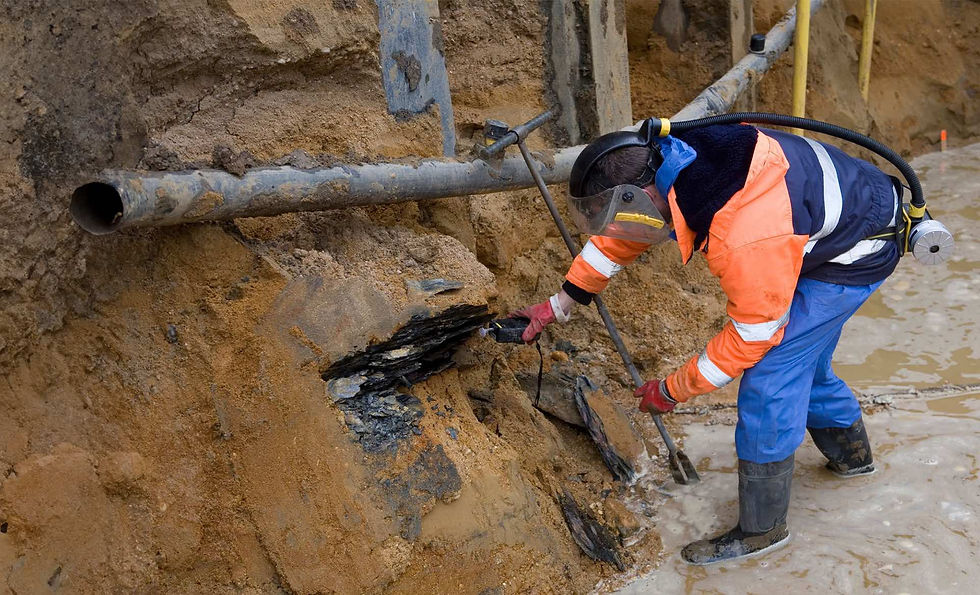
If concerns are identified during the Phase I assessment, a Phase II ESA may be recommended. This phase involves collecting soil, groundwater, or building material samples for laboratory testing. The results help confirm whether contamination exists and determine its extent.
Why is an Environmental Site Assessment Important?
Protects Property Buyers
Purchasing land without understanding its environmental condition can lead to significant financial liabilities. An ESA helps buyers identify potential risks before completing a transaction, allowing them to make informed decisions.
Reduces Financial Risks
Environmental contamination can result in costly cleanup projects and legal obligations. Identifying issues early helps property owners avoid unexpected expenses and negotiate property prices more effectively.
Supports Regulatory Compliance
Many development projects must comply with environmental regulations and local government requirements. Conducting an ESA helps ensure that the property meets applicable environmental standards and reduces the risk of regulatory violations.
Facilitates Property Development
Developers rely on Environmental Site Assessments to determine whether land is suitable for construction. By identifying environmental concerns early, project teams can address issues before they impact schedules or budgets.
Protects Human Health and the Environment
Contaminated soil, groundwater, or hazardous materials can pose serious health risks to workers, residents, and nearby communities. Environmental assessments help identify these hazards and support appropriate remediation measures.
Common Environmental Issues Identified During an ESA
Environmental Site Assessments may uncover a variety of concerns, including:
Underground storage tanks
Petroleum contamination
Hazardous waste disposal areas
Chemical spills
Asbestos-containing materials
Lead-based paint
Groundwater contamination
Industrial waste residues
Identifying these issues early allows stakeholders to develop effective management and remediation plans.
Who Needs an Environmental Site Assessment?
Environmental Site Assessments are beneficial for:
Property buyers and investors
Real estate developers
Commercial lenders
Industrial facility owners
Municipal governments
Construction companies
Whether acquiring land, refinancing a property, or planning a development project, an ESA provides critical information for decision-making.
An Environmental Site Assessment is a valuable tool for identifying environmental risks associated with a property. By uncovering potential contamination and environmental liabilities, an ESA helps protect buyers, developers, lenders, and communities. It also supports regulatory compliance, reduces financial risks, and promotes responsible land development. Conducting an Environmental Site Assessment before purchasing or developing property is a smart investment that can save time, money, and future complications while ensuring environmental safety and sustainability.


Comments